By Rotmwa Paulina Kassam
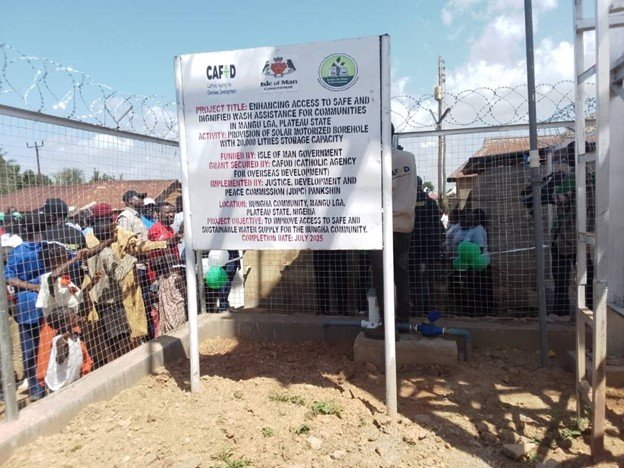
In a significant step towards transforming ruSral lives through access to clean water, the Catholic Agency for Overseas Development (CAFOD), in partnership with Justice Development and Peace Caritas (JDPC) Pankshin and with the support of the Isle of Man Government, has commissioned three solar-powered boreholes in Tilengpat (Pushit) and Bungha (Gyaghat) communities of Mangu Local Government Area, Plateau State.
For decades, these communities had struggled with unsafe and unreliable water sources, often forcing women and children to travel long distances to collect water from rivers and streams. The burden on families was heavy, with water-related illnesses being common and time that should have been spent in school or on economic activities lost in the daily search for water.
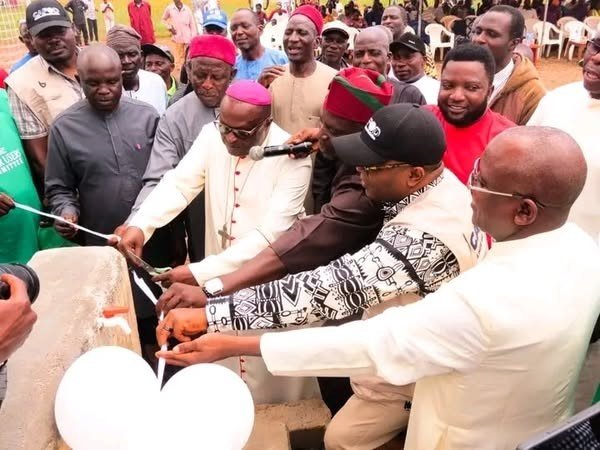
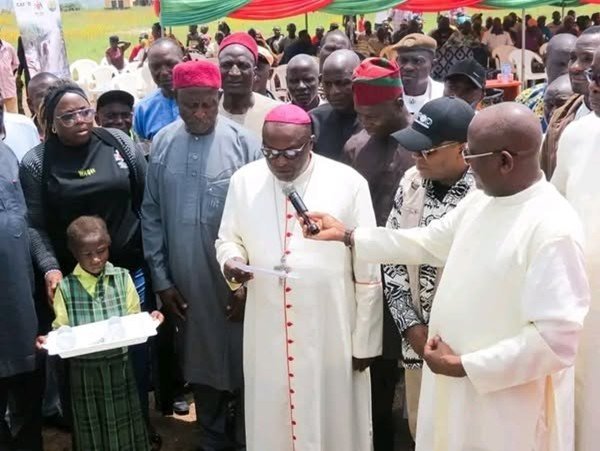
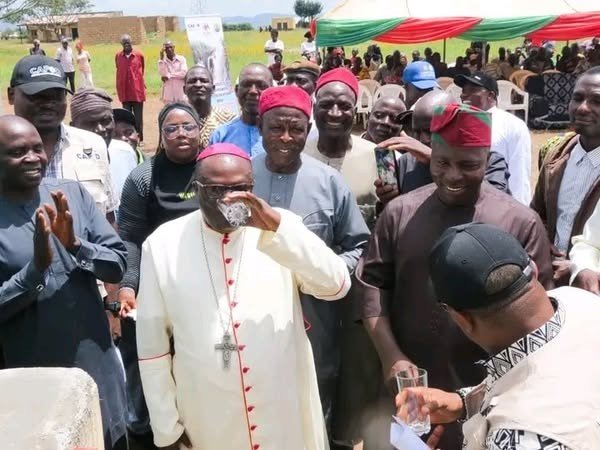
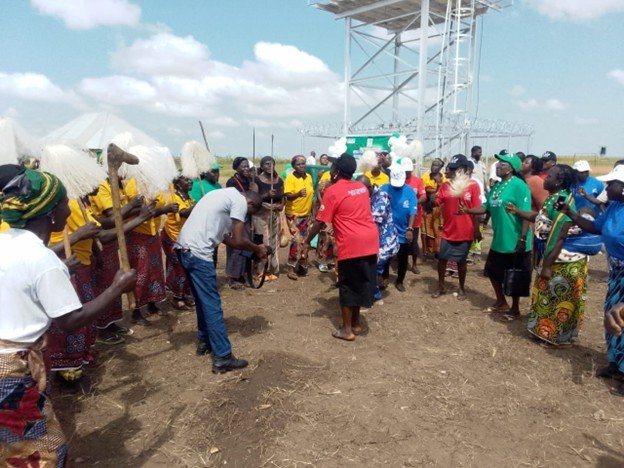
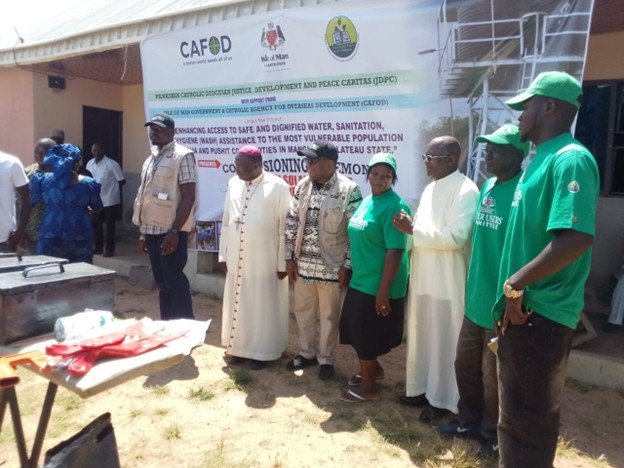
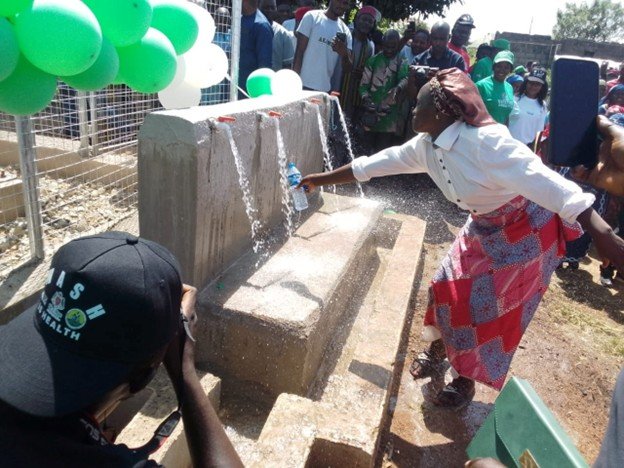
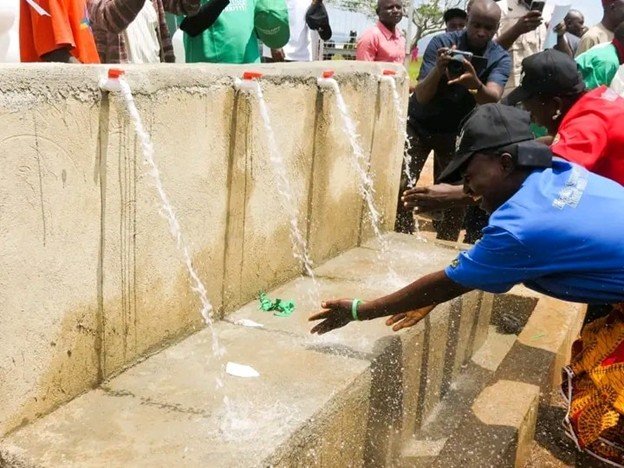
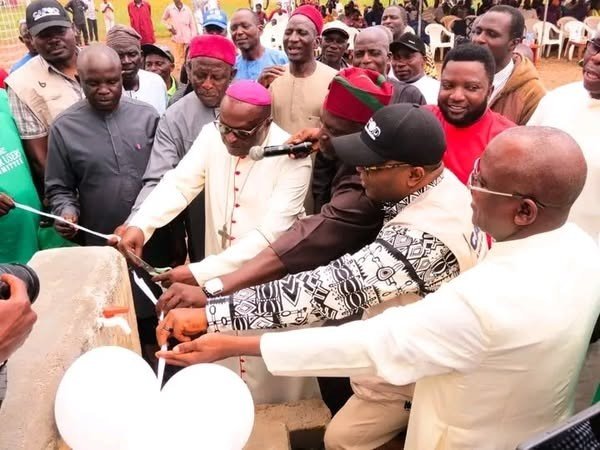
The project, which marks a turning point for both communities, was celebrated in a vibrant commissioning ceremony attended by religious leaders, local government representatives, traditional rulers, and community members. The joy was palpable as clean water flowed for the first time from taps powered by the sun, bringing with it hope, health, and dignity.
At the heart of this initiative is a commitment to sustainability. A local water management committee has been established in each community, trained and empowered to ensure the continued maintenance of the boreholes.
The Bishop of Pankshin Diocese, Most Rev. Michael Gobal Gokum highlighted the inclusive nature of the project, stressing that support is given not based on religion or background but on human need. He recalled past experiences of reaching out to people of all faiths during times of crisis and reiterated the Church’s mission to serve all, particularly the most vulnerable.
The General Manager of the Plateau Rural Water Supply and Sanitation Agency (RUWASSA), Engr. Godfrey Dashuhar, represented by the Director of Water, Geologist Alfred Benyakal, on behalf of the Plateau State Government commended JDPC and CAFOD for bridging the gap left by government efforts. He called on residents to take ownership of the facilities and to report any issues through the appropriate local channels, ensuring timely intervention and sustainability.
He emphasized that with proper care, each borehole is expected to serve the community for at least 25 years, significantly reducing the incidence of waterborne diseases and improving the overall quality of life.
According to the country representative of CAFOD, the symbolic nature of the boreholes goes beyond water access. They represent an investment in education, as children—especially girls—will now be able to attend school without the daily chore of fetching water. They also promised improved health outcomes and a reduction in water-borne diseases that have plagued the region for years.
In his welcome address, the JDPC coordinator, Rev Fr. Basil Kassam painted a clear picture of the suffering that these communities endured for years, but also the renewed hope that now lies ahead. With water now close to homes, families can focus on rebuilding livelihoods, improving hygiene, and nurturing peace and cooperation within their communities.
The representative of the Water Sanitation and Hygiene (WASH) department of the local government and traditional rulers acknowledged their role in supporting the project and pledged continued partnership to ensure its success.
Meanwhile, JDPC and CAFOD have expressed a deep commitment to extending similar support to more communities in need. With the success in Bungha and Tilengpat, the door is now open for wider engagement across other parts of Mangu LGA and beyond.
As clean water begins to flow in these rural communities, what once seemed like a dream is now a reality. The project stands as a testament to what can be achieved through faith, collaboration, and a shared vision for human dignity and development.